
The Warm Introduction Playbook
Proven templates and strategies for requesting and facilitating warm introductions to target executives.
Verata Research Team
January 2025
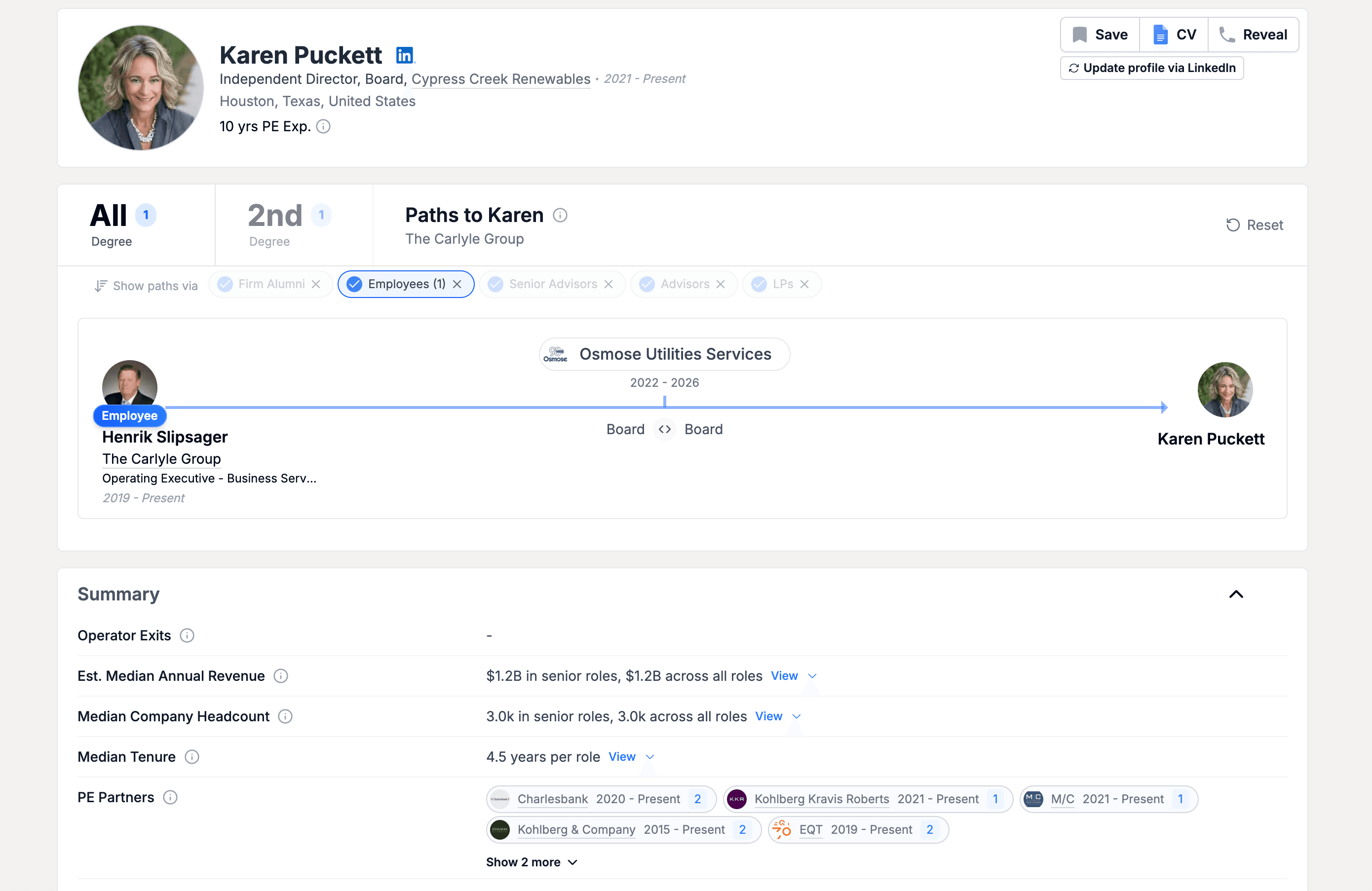
In this guide
The Power of Warm Introductions
Cold outreach to executives has a 1-3% response rate. Warm introductions convert at 30-50%. The math is clear—warm intros are worth the effort.
Why Warm Works
- Trust transfer: The introducer's credibility carries over to you
- Social obligation: Most people honor introduction requests from people they respect
- Context setting: The introducer can frame the conversation appropriately
- Signal filtering: Executives assume you're worth talking to if someone they trust vouches for you
The Warm Intro Spectrum
Not all warm intros are equal:
- Strong intro: "You need to meet [name], they're exceptional"
- Standard intro: "I'm happy to connect you with [name]"
- Weak intro: "I can forward your email to [name]"
- Name drop: "You can mention my name when you reach out"
Aim for strong and standard; accept weak if necessary; avoid name-drops.
When to Request (and Not Request) an Intro
Not every relationship path should be activated. Judgment matters.
Good Intro Requests
- The introducer has a meaningful relationship with the target
- The request is relevant (you have a real reason to connect)
- The timing makes sense (not during obvious bad timing)
- The ask is reasonable (appropriate ask for the relationship level)
Bad Intro Requests
- The introducer barely knows the target
- You have no clear reason for the meeting
- The target is in obvious career turmoil
- You're asking too much too soon
Questions to Ask Yourself
Before requesting an intro:
- Would the introducer be comfortable making this connection?
- Would the target be pleased to receive this introduction?
- Is there mutual value in the connection?
- Is this the best use of this relationship path?
Protecting Your Network
Your reputation for good intro requests is an asset. Every low-value or inappropriate request depletes it. Be selective about when you ask.
Crafting the Perfect Ask
The intro request itself matters enormously. Make it easy for the introducer to say yes and follow through.
The Perfect Ask Formula
- Context: Why are you reaching out to the introducer right now?
- Specific target: Who exactly do you want to meet?
- Clear purpose: Why do you want to meet them? What's the agenda?
- Easy execution: Make the follow-through trivial
- Graceful out: Give them a way to decline without awkwardness
Template: The Standard Request
Subject: Quick favor - intro to [Name]
[Introducer],
Hope you're well. I saw on LinkedIn that you worked with [Target Name] at [Company]. We're researching [sector/topic] and she'd be an incredible perspective given her experience with [specific relevant background].
Would you be open to making an introduction? I've drafted a quick email below that you could forward if that's easier. No worries at all if the timing isn't right or if you'd prefer not to—totally understand.
[Draft forwardable email]
Thanks either way, [Your name]
Key Elements
- Specific about how they know each other (shows you've done homework)
- Clear value proposition for the target (not just "I want to pick their brain")
- Draft email provided (reduces friction dramatically)
- Easy out included (removes social pressure)
Making It Easy for the Introducer
The harder you make it, the less likely it happens. Reduce friction to zero.
The Forwardable Email
Always draft an email the introducer can forward directly:
Subject: Introduction - [Your Name] / [Target Name]
[Target Name],
I hope [Introducer] already gave you some context—they thought we should connect given your experience in [relevant area].
I'm a [role] at [firm], and we're spending a lot of time learning about [sector/topic]. Given your background with [specific experience], I'd love to hear your perspective on [specific question or topic].
Would you have 20 minutes for a call in the coming weeks? I'm flexible on timing.
Best, [Your name]
Why This Works
- The introducer can forward with minimal editing
- The target gets clear context on who you are and what you want
- The ask is specific and bounded (20 minutes)
- The topic gives them something to respond to
Other Friction Reducers
- Offer to draft the intro email for them
- Provide multiple scheduling options
- Follow up once (and only once) if they don't act quickly
- Thank them regardless of outcome
Following Up After the Connection
The introduction is just the beginning. What happens next determines whether you get the meeting.
Immediate Response
When the intro is made, respond within 24 hours—ideally within a few hours. Speed signals respect and professionalism.
The Follow-Up Message
Reply to the intro email (keeping the introducer cc'd):
"[Target Name]—thanks so much for being open to connecting. [Introducer] speaks so highly of your work at [Company].
As mentioned, I'd love to hear your perspective on [topic]. Would any of these times work for a quick call?
[Option 1] [Option 2] [Option 3]
Look forward to it."
The Introducer Loop
After the meeting happens, close the loop with the introducer:
"[Introducer]—thanks again for the intro to [Target]. We had a great conversation about [topic]. Really valuable perspective. Appreciate you making the connection."
This courtesy ensures they'll make introductions for you in the future.
When There's No Response
Sometimes targets don't respond. After one week: - Send one follow-up directly to the target - Let the introducer know you're following up - If still no response, let it go and try a different path later
Related Guides
Relationship Mapping 101
The fundamentals of building and maintaining a relationship map for your PE firm. From data collection to activation strategies.
StrategyThe Complete Guide to Proprietary Deal Sourcing
A comprehensive playbook for building a systematic proprietary origination process. Learn how top PE firms source 50%+ of their deals through relationships.
TalentBuilding an Executive Talent Pipeline
A step-by-step guide to building a proprietary database of portfolio company executive candidates.
Ready to Put This Into Practice?
See how Verata can help you implement these strategies with relationship intelligence built for PE.